
In a world where binge-watching is practically an Olympic sport, technology has become the secret sauce behind the entertainment we crave. From virtual reality adventures that transport viewers to fantastical realms to streaming services that know our preferences better than our best friends, tech is redefining how we experience stories.
Overview of Tech in Entertainment
Technology plays a pivotal role in transforming entertainment consumption. Streaming platforms have streamlined access to vast libraries of content, catering specifically to individual preferences. Smart televisions enhance viewing experiences through seamless integration with multiple devices and services.
Virtual reality offers immersive experiences, allowing users to step into engaging narratives and environments. Gaming technology has evolved, providing interactive elements that enhance storytelling and player engagement. Augmented reality complements traditional forms of media, bridging the gap between the physical and digital worlds.
Data-driven algorithms personalize recommendations, ensuring viewers receive tailored content based on their preferences. Social media platforms act as channels for sharing and discovering new entertainment while fostering community discussions. Artificial intelligence improves content creation, from scriptwriting to editing, making processes more efficient.
The rise of blockchain technology ensures secure distribution of digital assets, impacting how creators monetize their work. Cloud computing facilitates collaboration between artists, allowing projects to develop with fewer geographical constraints.
Mobile devices further enable on-the-go entertainment, solidifying the importance of accessibility in today’s fast-paced world. Advancements in audio technology provide cinematic sound experiences even in personal spaces. Overall, tech continues to revolutionize the landscape of entertainment, making it more personalized, interactive, and immersive.
Impact of Technology on Film

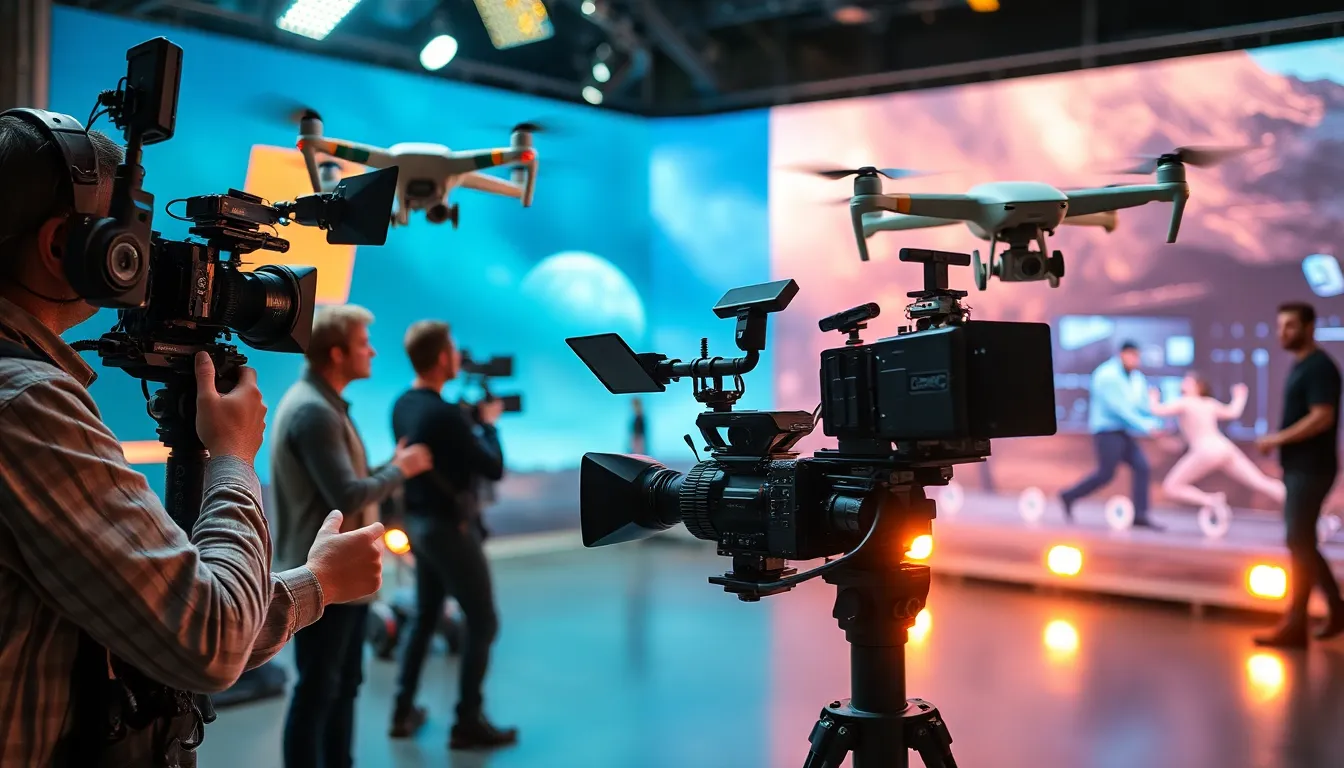
Technology significantly influences filmmaking, altering how stories are told and experienced. From stunning visuals to personalized viewing experiences, innovation drives the industry.
Advancements in Special Effects
Visual effects enhance storytelling by creating immersive environments. Technologies like CGI and motion capture allow filmmakers to produce lifelike characters and fantastical worlds. For instance, movies such as “Avatar” and “Jurassic World” showcase groundbreaking special effects that capture audiences’ imaginations. Drones enable breathtaking aerial shots, while 3D technology transforms traditional cinema, bringing scenes to life in unprecedented ways. The blend of digital effects with practical effects creates a seamless viewing experience. Directors now leverage advanced software to refine their visions, resulting in films that captivate and entertain simultaneously.
Streaming Services Revolution
Streaming services redefine how viewers consume films. Platforms like Netflix, Hulu, and Disney+ offer extensive libraries that cater to diverse tastes. With the rise of binge-watching, series and films are released all at once, encouraging marathon viewing sessions. Algorithms analyze user preferences, delivering personalized recommendations that enhance user engagement. Furthermore, streaming services invest heavily in original content, resulting in unique films that challenge traditional narratives. Such platforms also provide global accessibility, allowing audiences to discover international cinema. The shift towards streaming emphasizes convenience, as viewers can watch anywhere, anytime, on various devices.
The Role of Technology in Music
Technology significantly influences music consumption, altering how artists share their work and how fans access it.
Digital Distribution and Streaming
Digital distribution revolutionizes music accessibility. Platforms like Spotify, Apple Music, and Amazon Music provide vast libraries of songs on-demand. Artists reach global audiences without traditional barriers. Streaming services often allow users to create customized playlists, enhancing personal listening experiences. Data analytics play a crucial role in showcasing trending tracks and genres. As a result, musicians can make informed decisions based on listener preferences. Also, algorithms suggest similar artists, facilitating music discovery. This pervasive access caters to diverse musical tastes, affecting purchasing habits and overall industry revenue.
Innovations in Music Production
Innovations reshape the music production landscape. Software like Ableton Live and Pro Tools enables artists to create, mix, and master tracks efficiently. Digital audio workstations empower musicians to experiment with sounds and collaborate remotely. The rise of virtual instruments allows for limitless creativity without traditional studio constraints. Furthermore, advancements in artificial intelligence enhance the songwriting process by generating melodies and harmonies. Audio effects, such as reverb and delay, are more accessible, leading to professional-sounding recordings. These changes streamline workflows, reduce costs, and foster a competitive environment for emerging artists.
Video Games and Technology
Technology significantly enhances video game experiences, driving innovations in graphics, gameplay, and interactive environments.
Graphics and Gameplay Enhancements
Developers prioritize high-quality graphics to create visually stunning worlds. Real-time rendering technologies push boundaries, allowing games to display intricate details. Advanced graphics engines like Unreal Engine 5 use dynamic lighting and photorealistic textures. Gameplay experiences have also evolved, with responsive controls and mechanics that engage players more effectively. Artificial intelligence enhances NPC behavior, making in-game interactions realistic and unpredictable. Players appreciate seamless online multiplayer functionality, enabling connectivity and competition across the globe. This dedication to visual fidelity and interactive gameplay keeps gamers immersed in dynamic narratives.
Virtual and Augmented Reality
Virtual reality transforms gaming by creating immersive experiences that transport players into fantastical realms. Technologies like Oculus Rift and PlayStation VR allow for 360-degree exploration. Users can interact within these environments using motion controllers, enhancing realism and presence. Augmented reality overlays digital elements onto the physical world, bridging the gap between the two. Popular games like Pokémon GO demonstrate the engaging potential of this technology. Players benefit from unique experiences that combine real-world exploration with interactive gameplay. This blend of reality and technology fosters innovative storytelling in gaming culture, integrating immersive elements in unprecedented ways.
Future Trends in Tech and Entertainment
Emerging technologies will continue to reshape the entertainment landscape. Virtual reality (VR) is set to enhance immersion in films and games, offering experiences that engage all the senses. Augmented reality (AR), similar to VR, is likely to integrate interactive elements into live events and streaming content, making audience participation more dynamic.
Artificial intelligence (AI) plays a pivotal role in content creation, analyzing audience preferences to produce tailored experiences. Algorithms will provide improved recommendations, anticipating viewer tastes with greater accuracy. Streaming platforms are expected to invest in advanced analytics, honing their strategies to deliver unique content based on user habits.
Interactive storytelling is gaining traction. Gamification elements in movies and shows can deepen viewer engagement, allowing audiences to shape narratives. Moreover, cross-platform experiences will become more prevalent, enabling seamless transitions between gaming, watching, and listening.
Cloud gaming will eliminate barriers to high-quality gaming experiences. Services like Xbox Cloud Gaming are poised to make games accessible on a range of devices without the need for powerful hardware. Mobile gaming will see substantial growth as developers create experiences that cater to on-the-go users.
The music industry will witness transformation through blockchain technology. Artists can secure digital content while retaining ownership, enhancing revenue streams. Additionally, data-driven trends may further empower independent musicians to reach target audiences effectively.
Expect advancements in audio technology to redefine how people experience music. Spatial audio and immersive soundscapes will create enhanced listening environments across devices. Technology’s influence on entertainment is not slowing down, as continuous innovations foster creativity and accessibility across all mediums.