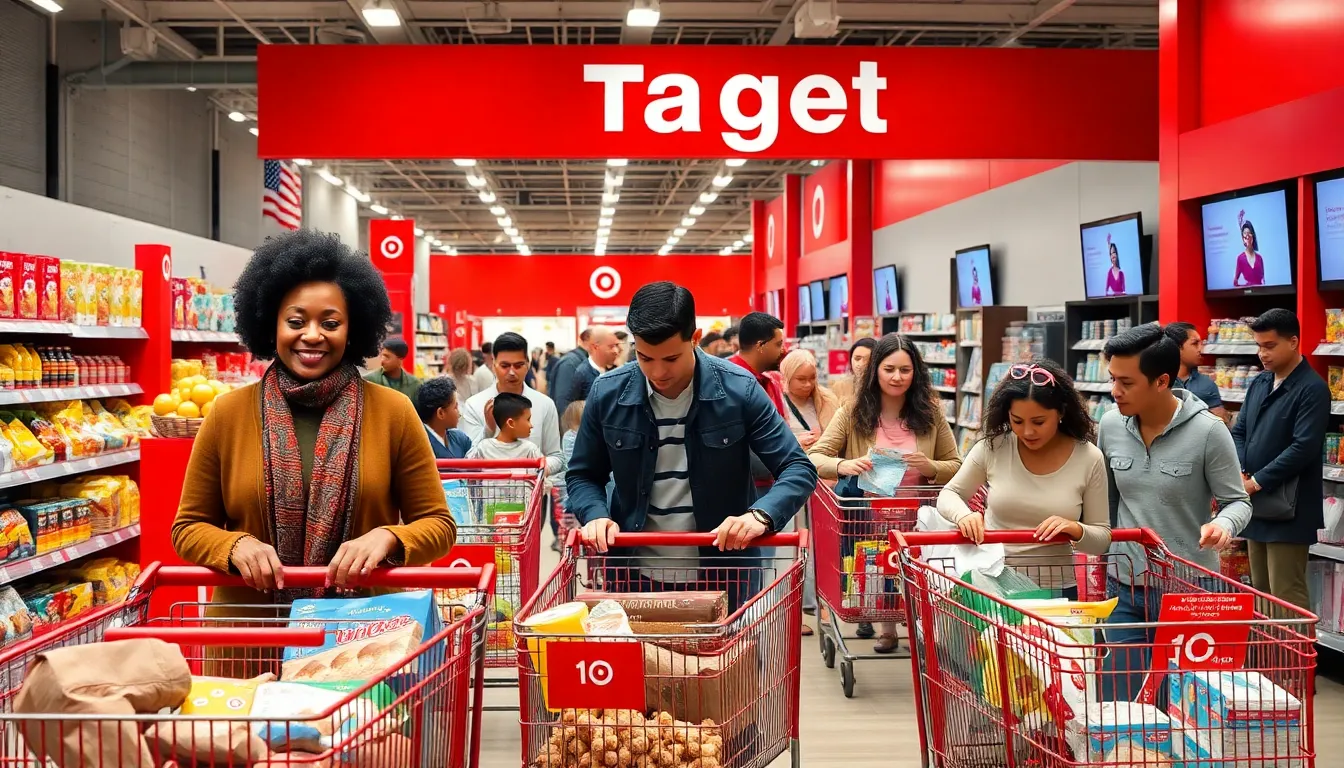
As the retail landscape evolves, major players like Target are making significant changes to their operations. Rumors of Target stores closing in 2025 have sparked discussions among shoppers and industry experts alike. With shifting consumer preferences and the rise of e-commerce, these closures could reshape the shopping experience for many.
Target’s decision to close certain locations isn’t just about numbers; it’s a strategic move to adapt to market demands. Understanding the reasons behind these closures can provide valuable insights into the future of retail. As communities brace for potential changes, the impact on local economies and consumer habits remains a hot topic.
Overview of Target Stores Closing in 2025
Target plans to close a selection of stores in 2025, driven by shifts in consumer behavior and increased online shopping. The closures aim to streamline operations and focus on locations that better align with current market demands. Retail analysts report that e-commerce growth necessitates adjustments to physical store footprints. Target’s strategy includes assessing underperforming locations based on sales and customer traffic metrics.
Factors influencing the closures include the rise in remote work and preference for shopping convenience. Target’s commitment to remaining competitive in the retail sector hinges on adapting to these changes.
Initial reports cite up to 10 store closures across various regions, with targeted limits on high-traffic urban areas. Plans will prioritize retaining stores that offer essential goods and services while expanding fulfillment capabilities in remaining locations. This approach reflects broader retail trends that prioritize efficiency and consumer accessibility.
Reasons Behind the Closures
Target’s planned store closures in 2025 stem from various strategic considerations designed to adapt to evolving market conditions. Understanding these reasons offers insight into their long-term operational goals.
Economic Factors
Economic pressures significantly impact Target’s decision-making. Inflation rates, fluctuating consumer spending, and increased supply chain costs can diminish retail profitability. Analysts indicate that these economic conditions encourage the consolidation of stores to focus resources on the most profitable locations. Furthermore, shifting real estate markets may prompt Target to divest from underperforming areas, allowing for better allocation of capital to enhance online shopping and delivery services.
Consumer Behavior Changes
Consumer preferences are rapidly changing in today’s retail environment. The growth of e-commerce has made online shopping a preferred option for many individuals. Shifts toward convenience, such as fast delivery and curbside pickup, have led to decreased foot traffic in physical stores. Remote work trends further influence this behavior, as individuals spend less time in urban shopping districts. Consequently, Target may choose to close locations that no longer align with its target demographic, while concentrating on stores that effectively meet contemporary shopping needs.
Impact on Communities
Store closures by Target in 2025 are poised to affect local communities significantly, particularly through job losses and changes in the local economy.
Job Losses
Job losses represent a direct consequence of the planned store closures. Each location employs a range of staff, from cashiers to management. Analysts estimate potential layoffs could range from 20 to 100 employees per store, depending on its size and operational structure. With multiple stores closing, thousands of jobs could vanish, particularly in areas already facing high unemployment rates. Former employees may struggle to find new work in competitive job markets, exacerbating the financial challenges for families in those regions.
Local Economy Effects
Local economies will experience notable shifts due to Target’s closures. Each store contributes to economic activity by generating sales tax revenue and supporting nearby businesses. Loss of these stores could lead to decreased foot traffic, adversely affecting local shops and restaurants that rely on Target customers. The economic ripple effect might lead to reduced investments in the community, potentially stalling neighborhood development projects. Furthermore, declining employment and consumer activity could strain regional tax bases, impacting public services such as education and infrastructure.
Target’s Future Plans
Target is adapting its business approach to fit the evolving retail environment. The focus shifts to new store formats and expansion strategies that align with contemporary consumer preferences.
New Store Formats
Target plans to introduce innovative store formats that cater to local demographics and enhance customer experience. These formats include smaller, urban-focused locations designed for convenience shopping, emphasizing essential goods and faster service. By incorporating technology-driven solutions, such as self-checkout kiosks and mobile app integration, Target aims to streamline the shopping process. The adjustments reflect a commitment to meeting consumer demands for speed and accessibility, particularly in metropolitan areas experiencing heavy traffic.
Expansion Strategies
Target’s expansion strategies target growth in emerging markets and online platforms. The company is investing in digital infrastructure to support e-commerce initiatives, ensuring a seamless online shopping experience. Additionally, Target seeks to partner with other retailers and brands to expand product offerings, catering to diverse consumer interests. This dual focus on physical and digital presence positions Target to capitalize on both in-store and online shopping trends. Through strategic store openings in high-demand areas, Target reinforces its dedication to profitability and consumer engagement.
Target’s potential store closures in 2025 highlight the ongoing transformation in the retail sector. As consumer preferences shift towards online shopping and convenience, the company is making necessary adjustments to its physical footprint.
These closures could have significant implications for local communities, impacting employment and economic stability. While Target adapts to these challenges through innovative store formats and enhanced digital strategies, the focus remains on aligning with modern consumer needs.
The future of retail is evolving rapidly, and Target’s proactive measures may position it to thrive in this competitive landscape.