
The world is buzzing with excitement over renewable energy breakthroughs, and it’s not just the wind turbines spinning in delight. With climate change knocking at the door, innovative solutions are popping up faster than a kid on a trampoline. From solar panels that practically dance in the sun to batteries that can power a small city, the future is looking bright—literally!
Imagine harnessing the power of the sun, wind, and water without the guilt of fossil fuels lurking in the background. These groundbreaking technologies are here to save the day, and they’re not just for tree-huggers anymore. As industries embrace cleaner alternatives, the energy landscape is transforming into something that even your grandma would give a thumbs-up. Buckle up as we explore these thrilling advancements that promise to make the planet a greener, happier place for everyone.
Overview of Renewable Energy Breakthroughs
Recent advancements in renewable energy technologies play a pivotal role in reshaping the energy landscape. Innovative designs in solar panels, such as Bifacial solar panels, capture sunlight from both sides, increasing energy efficiency by up to 30%. Significant improvements in energy storage solutions, notably lithium-sulfur batteries, offer higher capacity and longer lifespans compared to traditional options.
Wind energy innovations are making headlines too. Floating wind farms, capable of generating energy in deeper waters, expand the geographic range for wind energy production. Research shows these farms can significantly reduce costs and harness stronger wind resources.
Hydropower advancements focus on minimizing environmental impact while maximizing output. New turbine designs, like fish-friendly turbines, promote ecological balance by reducing harm to marine life. These developments ensure that hydropower remains a key player in the renewable energy portfolio.
Beyond technological innovation, policy initiatives drive renewable energy adoption. Governments worldwide are implementing incentives for clean energy investment, targeting a reduction in carbon emissions by 50% by 2030. This shift creates a more attractive environment for businesses to transition from fossil fuels.
Breakthroughs in renewable energy technology contribute significantly to environmental sustainability while also gaining traction in the business sector. Enhanced efficiency and lower costs create compelling reasons for industries to embrace clean energy solutions.
Solar Energy Innovations
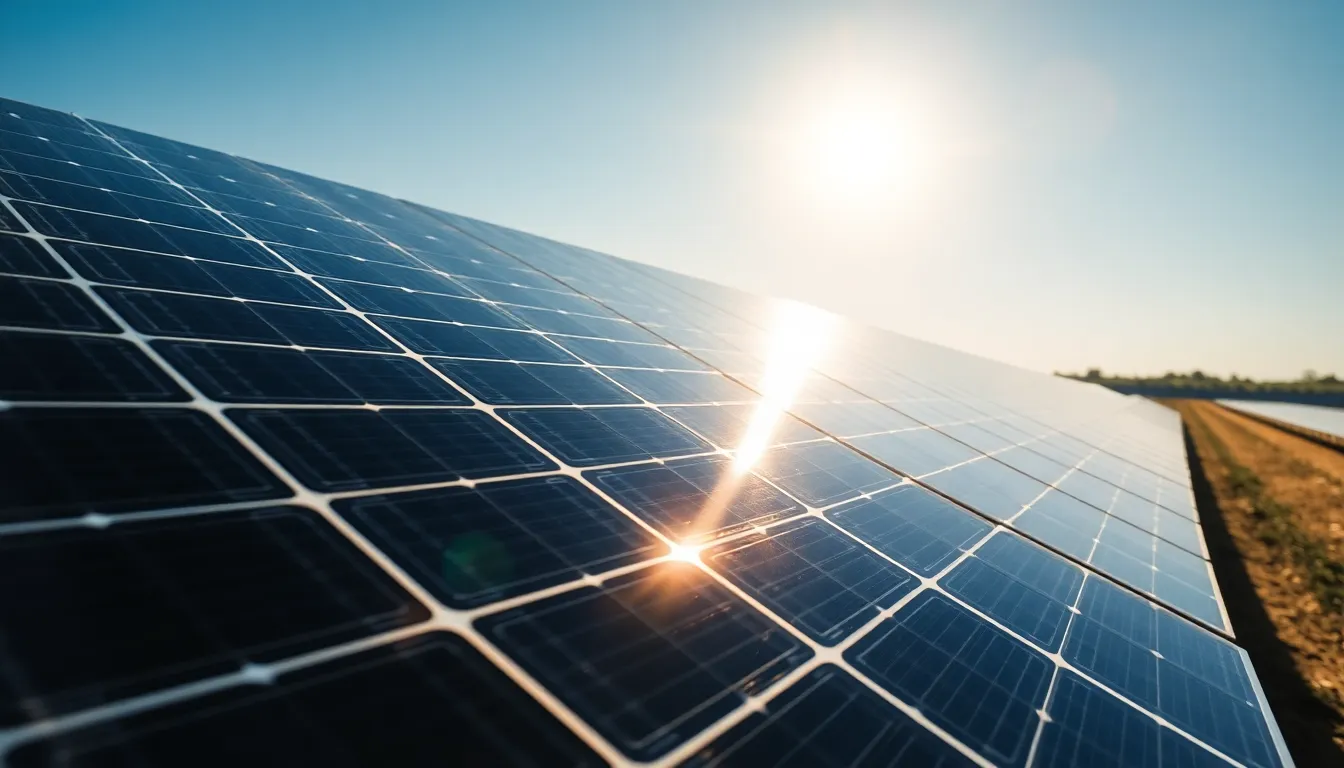
Recent developments in solar technology significantly enhance energy capture and efficiency.
Advanced Photovoltaic Technologies
Innovative designs, such as bifacial solar panels, capture sunlight from both sides to increase energy output. Perovskite solar cells provide higher efficiency at lower production costs, revolutionizing the market. Transparent solar cells offer aesthetic benefits, enabling integration into windows without sacrificing performance. Additions like solar tracking systems optimize the angle of panels throughout the day, maximizing energy collection. Enhanced efficiency potentially leads to reduced reliance on fossil fuels and promotes widespread adoption across various applications.
Solar Storage Solutions
Energy storage plays a crucial role in complementing solar energy systems. Lithium-ion batteries dominate the market due to their proven efficiency and reliability. These systems enable energy capture during peak sunlight hours for later use, stabilizing energy supply. Flow batteries present an alternative, offering longer lifespans and scalability for commercial uses. Advancements in solar energy storage technologies facilitate integration with existing energy grids, stabilizing energy distribution and promoting a smoother transition to renewable sources.
Wind Energy Developments
Recent advancements in wind energy highlight significant strides in technology and efficiency. Innovations center around two main areas: offshore wind farms and enhanced turbine efficiency.
Offshore Wind Farms
Offshore wind farms prove to be instrumental in expanding renewable energy production. These installations harness stronger and more consistent winds observed in ocean locations. By utilizing floating foundations, projects can be established in deeper waters, significantly increasing potential energy output. Countries, such as Denmark and the UK, lead in the development of large-scale offshore farms. According to the Global Wind Energy Council, worldwide offshore capacity reached 40 gigawatts in 2022. This expansion reduces reliance on fossil fuels and enhances energy diversity.
Enhanced Turbine Efficiency
Enhanced turbine efficiency plays a crucial role in maximizing energy capture. Manufacturers incorporate innovative designs that improve aerodynamics, allowing turbines to operate effectively in varying wind conditions. Larger rotor diameters increase the swept area, capturing more wind energy. Additionally, advancements in materials, such as lightweight composites, reduce the overall weight of turbines, enabling higher performance at lower wind speeds. According to the National Renewable Energy Laboratory, turbine efficiency increased by approximately 20% over the past decade. This progress ensures that wind energy remains a competitive and sustainable energy source.
Bioenergy Advancements
Bioenergy advancements play a critical role in the renewable energy landscape. Innovations in biofuels and biogas production are driving this sector forward.
Next-Generation Biofuels
Next-generation biofuels leverage advanced technologies to convert biomass into cleaner energy. Algal biofuels show promise due to their high energy yield and ability to thrive on non-arable land. Cellulosic ethanol, derived from plant materials like agricultural waste, reduces dependency on food crops while offering significant greenhouse gas reduction potential. Research indicates that these biofuels can decrease life-cycle emissions by up to 90% compared to traditional fossil fuels. The industry is also exploring synthetic biofuels, produced through chemical processes that utilize carbon dioxide.
Biogas Production Innovations
Biogas production innovations enhance the efficiency of converting organic waste into renewable energy. Anaerobic digestion techniques improve the breakdown of waste materials, generating biogas rich in methane. Utilization of advanced microbiome technology optimizes bacteria for faster decomposition, leading to higher gas yields. Recent studies reveal that biogas plants can reduce agricultural waste by as much as 30%, benefiting both farms and the environment. Adoption of small-scale biogas systems also allows local communities to harness energy from household waste, promoting energy independence.
Geothermal Energy Progress
Geothermal energy has seen remarkable advancements recently. Innovations in this sector contribute significantly to the renewable energy landscape.
Enhanced Geothermal Systems
Enhanced geothermal systems (EGS) utilize advanced technologies to extract heat from deeper geological formations. By injecting fluids into hot rock formations, they enhance heat transfer efficiency. Research indicates that EGS can tap into geothermal resources in locations previously deemed unsuitable, potentially increasing global geothermal capacity. EGS stations generate power consistently, regardless of weather conditions, making them reliable energy sources. Countries like the United States and Australia lead in developing EGS projects, with numerous pilot initiatives showcasing their commercial viability.
Deep Earth Exploration Techniques
Deep earth exploration techniques have evolved, improving geothermal resource identification. Scientists use advanced imaging technologies, including seismic imaging and magnetotellurics, to analyze subsurface geology. These methods enable precise locating of high-temperature zones, enhancing successful drilling efforts. Integrating machine learning algorithms increases predictive accuracy, optimizing resource discovery. Additionally, international collaborations expand knowledge sharing and accelerate development in unexplored regions. Innovations in these exploration techniques substantially lower costs and risks, encouraging further investment in geothermal energy projects.
The advancements in renewable energy technologies are paving the way for a more sustainable future. As industries embrace these innovations the shift away from fossil fuels becomes increasingly viable. Breakthroughs in solar, wind, bioenergy, and geothermal energy not only enhance efficiency but also promote environmental stewardship.
With supportive policies and growing public acceptance the momentum for renewable energy continues to build. This progress not only addresses the urgent need for cleaner energy sources but also offers economic opportunities across various sectors. The future of energy is bright and full of promise as these breakthroughs reshape the global landscape.