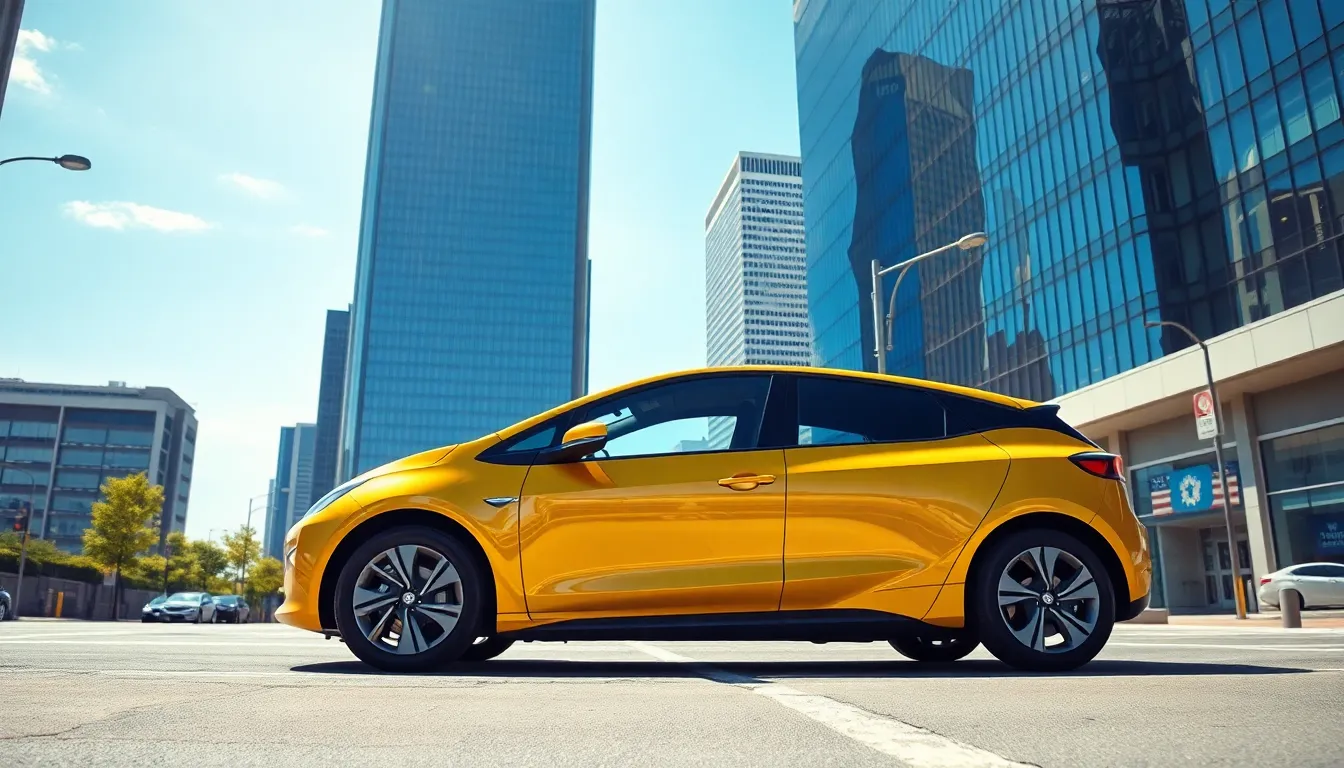
The automotive world is shifting gears faster than a teenager in a race against time. With each passing day, innovations are revving up the industry, leaving car enthusiasts and casual drivers alike buzzing with excitement. From self-driving cars that might just take the wheel while you catch up on your favorite show to electric vehicles that make gas stations feel like a relic of the past, the future of driving is here, and it’s electrifying.
In this whirlwind of automotive technology news, staying informed is crucial. Whether it’s the latest in AI-driven safety features or advancements in battery life that could outlast your morning coffee, these updates are more than just headlines—they’re the roadmap to tomorrow’s driving experience. Buckle up as we dive into the latest trends and breakthroughs that are shaping the way we hit the road.
Overview of Automotive Technology News
Automotive technology continues its rapid evolution, reflecting significant changes in design and functionality. This sector showcases advancements like electric vehicles, offering increased efficiency and reduced emissions. Innovative AI components enhance vehicle safety, detecting hazards and responding to potential accidents. Connectivity features, such as in-car Wi-Fi and smartphone integration, revolutionize the driving experience.
Developers prioritize sustainable practices, evidenced by the rise of alternative fuel technologies. Hydrogen fuel cells gain traction as a viable choice for emission reduction. Battery improvements extend electric vehicle ranges, addressing prior concerns about usability. Data shows consumers increasingly favor green options, influencing manufacturers to respond accordingly.
Further advancements include autonomous driving systems, which promise safer and more convenient transportation. Companies actively test semi-autonomous features, bridging the gap between current technologies and fully self-driving capabilities. As vehicle-to-everything communication systems emerge, they enhance traffic management and accident prevention.
Market trends reveal the growing importance of vehicle electrification and automation. Reports indicate global electric vehicle sales surged by over 40% in the last year, emphasizing consumer demand. Moreover, the introduction of advanced driver assistance systems bolsters public enthusiasm for future innovations in mobility.
Keeping up with these trends allows stakeholders to anticipate industry shifts effectively. The impact of these developments spans across environmental concerns, market competitiveness, and consumer preferences. Comprehensive knowledge of automotive technology news ensures that professionals remain ahead in a dynamic, competitive landscape.
Recent Innovations in Automotive Technology
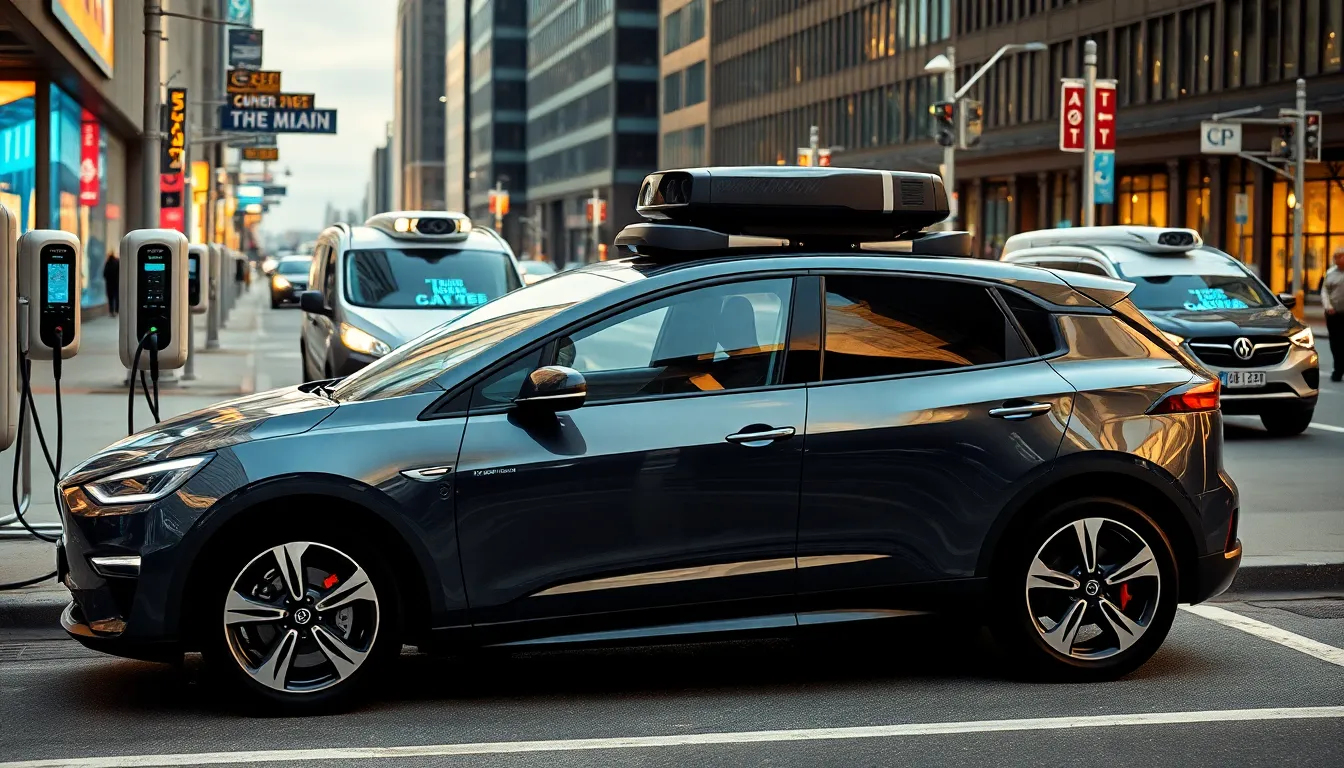
Recent advancements in automotive technology emphasize sustainability and safety. Significant developments include electric vehicles and autonomous driving systems that transform the driving experience.
Electric Vehicles Advancements
Electric vehicles (EVs) are evolving rapidly, showcasing impressive features. Battery technology improvements lead to longer ranges, with some models exceeding 400 miles on a single charge. Enhanced charging infrastructure supports faster charging times, reducing range anxiety for drivers. Major manufacturers are introducing more affordable EV options, making electric mobility accessible to a larger audience. The integration of smart technology in EVs enables over-the-air updates, ensuring vehicles remain current in the face of continuous technological advancements.
Autonomous Driving Developments
Autonomous driving technology is progressing swiftly, with recent breakthroughs enhancing safety and efficiency. Various automotive companies are testing Level 4 autonomous systems, which allow vehicles to operate independently in specific conditions. These systems utilize advanced sensors and AI algorithms to read the environment and make decisions in real-time. In addition, vehicle-to-everything communication facilitates a safer ecosystem, enabling vehicles to interact with other cars and infrastructure. Increased investment in regulatory frameworks supports the expansion of autonomous technology across urban areas.
Key Players in the Automotive Technology Sector
The automotive technology sector features a blend of established automakers and innovative startups pushing boundaries.
Established Automakers
Major manufacturers like Tesla and Ford lead the charge in electric vehicle development. These companies invest heavily in advanced technologies including AI and connectivity, enhancing driver safety and overall efficiency. Traditional brands like Toyota and General Motors also focus on sustainability, expanding their electric offerings while integrating hybrid technologies into their lineups. With production facilities worldwide, these automakers contribute significantly to the increased availability of affordable EV options that meet growing consumer demand. Collaborations with tech firms strengthen their capabilities, ensuring they stay competitive in this rapidly evolving landscape.
Emerging Startups
Numerous startups are reshaping the automotive sector with fresh ideas and groundbreaking technology. Companies like Rivian and Lucid Motors focus on electric vehicles designed for luxury and utility, attracting environmentally conscious consumers. Others, such as Waymo and Aurora, push the envelope with autonomous driving technology, harnessing advanced algorithms and AI to enhance vehicle navigation. These startups often emphasize sustainability, utilizing innovative materials and practices that minimize environmental impact. Their nimble approach allows them to adapt quickly to market demands, fostering an exciting atmosphere of competition that drives the industry forward.
Trends Shaping the Future of Automotive Technology
Innovations in automotive technology blend efficiency, safety, and sustainability. Various trends are driving this evolution.
Sustainability and Eco-Friendly Solutions
Sustainability plays a crucial role in automotive advancements. Electric vehicles now feature ranges exceeding 400 miles due to improved battery technologies. Several manufacturers focus on developing affordable EV options, expanding access to eco-friendly transportation. Hydrogen fuel cells also attract attention as a viable alternative energy source. Manufacturers recognize the importance of reducing emissions, prompting investments in innovative practices. The industry increasingly embraces recycling initiatives to repurpose materials from used vehicles. Stakeholders are prioritizing sustainability, reflecting growing consumer demand for environmentally responsible choices.
Connectivity and Smart Vehicles
Connectivity transforms the driving experience in significant ways. Vehicles equipped with in-car Wi-Fi provide access to real-time information and entertainment options. Advanced smartphone integration allows seamless interaction with navigation and communication apps. Over-the-air updates keep software current without needing dealer visits. Enhanced vehicle-to-everything communication fosters collaboration between cars and infrastructure, improving traffic management and safety. Companies are investing in AI-driven features that enhance driver assistance systems, focusing on increasing safety and convenience. The evolution of smart vehicles reshapes personal and commercial transportation, adapting to user preferences and technological advancements.
The automotive industry is undergoing a profound transformation driven by technology and innovation. As electric vehicles and autonomous systems gain traction the future of driving looks brighter and more sustainable. The focus on safety efficiency and connectivity is reshaping how consumers interact with their vehicles.
Staying informed about these advancements is crucial for anyone invested in the automotive sector. As major manufacturers and startups alike push the boundaries of what’s possible the landscape will continue to evolve rapidly. Embracing these changes will not only enhance the driving experience but also contribute to a greener planet. The journey ahead promises exciting developments that will redefine mobility for generations to come.