
In the world of law enforcement, communication is key. Police codes serve as a vital tool for officers to relay information quickly and efficiently. Among these codes, the 10-80 police code stands out, often sparking curiosity among those unfamiliar with its meaning and significance.
Understanding the nuances behind police codes like 10-80 can enhance public awareness of police operations and improve community relations. This specific code often relates to a unique situation that officers encounter, and it’s essential to grasp its implications. Dive into the details of the 10-80 police code and discover how it shapes law enforcement practices and responses.
Overview of the 10-80 Police Code
The 10-80 police code typically designates a “Pursuit in Progress.” This code signals that an active attempt to apprehend a suspect is occurring, often involving high-speed chases. Officers understand that this situation requires immediate communication and coordination among units.
Specific elements associated with a 10-80 code include the suspect’s description, the vehicle’s details, and the pursuit’s location. This information facilitates a swift response from assisting units, ensuring public safety during the chase.
Policies governing pursuits often stipulate guidelines. Officers consider factors like traffic conditions, weather, and the nature of the offense to determine whether to continue or disengage. The implications of a 10-80 incident can significantly impact both the involved parties and the surrounding community.
Law enforcement agencies continuously assess their pursuit policies to balance effective law enforcement with community safety. Understanding the 10-80 police code enhances public comprehension of police operations and underscores the complexities officers face during active pursuits.
Understanding Police Codes
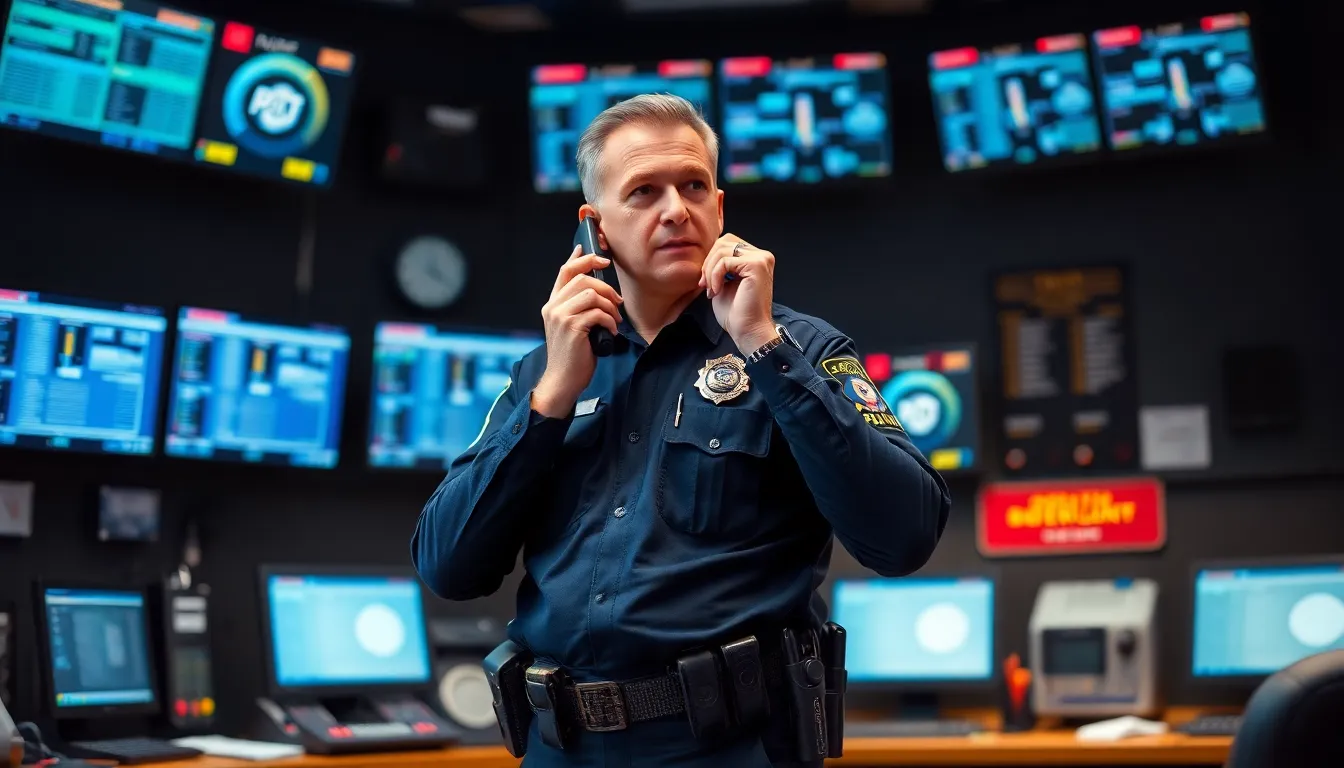
Police codes enable efficient communication in law enforcement, aiding officers in conveying critical information quickly and clearly. Their use reduces confusion during critical incidents, enhancing response times.
What Are Police Codes?
Police codes, often based on numerical and alphabetic systems, represent specific situations or actions within law enforcement. These codes, such as the 10-80 code, provide a standardized language that officers use to relay information about incidents or conditions. Various jurisdictions may adopt different code systems, ensuring local law enforcement agencies can maintain effective communication tailored to their operational needs.
Importance of Police Codes in Communication
Police codes play a vital role in communication for several reasons:
- Clarity: Codes communicate complex information succinctly, reducing misunderstandings among officers.
- Speed: Officers relay urgent information quickly, crucial in high-pressure scenarios like a pursuit in progress.
- Safety: Using standardized codes allows officers to inform dispatch and assisting units efficiently, minimizing risks during emergency responses.
- Confidentiality: Codes protect sensitive information from public access, maintaining operational security during incidents.
Understanding police codes fosters better community awareness and allows individuals to grasp the context of police operations.
The 10-80 Police Code Explained
The 10-80 police code signifies a “Pursuit in Progress,” indicating that law enforcement is actively pursuing a suspect. This code plays a crucial role in the coordination and response of police units during high-stakes situations.
Definition of the 10-80 Police Code
The 10-80 code is part of the ten-codes, also known as ten signals, commonly used in law enforcement communication. It specifically alerts officers and dispatchers that a pursuit is taking place, enabling them to relay pertinent information rapidly. This includes details such as the suspect’s identity, vehicle type, and location, which are critical for successful coordination and response.
Common Situations Involving the 10-80 Police Code
The 10-80 police code typically arises in various scenarios, including:
- Vehicle Theft: Officers may pursue a vehicle believed to be stolen, especially if the suspect is attempting to evade capture.
- Traffic Violations: Instances of reckless driving or DUI may prompt a pursuit, necessitating swift action to apprehend the violator.
- Robbery or Armed Suspects: In cases where suspects are fleeing from a robbery or similar crime, police often initiate a pursuit under the 10-80 code.
- Domestic Violence Incidents: Officers may engage in a chase if a suspect is fleeing the scene of a domestic disturbance involving threats of violence.
- Escape from Custody: Pursuits frequently occur when individuals escape from custody or law enforcement transport.
These situations demonstrate how the 10-80 police code facilitates rapid responses and coordination among law enforcement to enhance public safety during critical incidents.
Implications of the 10-80 Police Code
The 10-80 police code, signaling a “Pursuit in Progress,” carries significant implications for law enforcement operations and community safety. Understanding these implications helps clarify the responsibilities and response strategies involved.
How It Affects Law Enforcement Operations
The 10-80 police code directly impacts how law enforcement agencies manage pursuits. It enhances coordination among units, allowing for quick delegations of responsibilities. Officers can relay vital information, such as suspect descriptions and vehicle indicators, ensuring that everyone involved has a clear mission focus. Agencies may implement specific strategies tailored to the 10-80 situation, considering variables like traffic density and nearby civilians. The impact on resource allocation is notable, as more personnel or specialized units may become necessary to maintain effective oversight and safety during high-speed events.
Response Protocols for the 10-80 Police Code
Response protocols for the 10-80 code establish systematic approaches for officers engaged in foot and vehicular pursuits. Protocols include:
- Communication: Officers continually update dispatch and other units about pursuit dynamics, facilitating real-time decision-making.
- Assessment: Officers assess the severity of the offense prompting the pursuit, factoring in safety risks to the public, officers, and suspects.
- Pursuit Intervention: Protocols outline methods for safely terminating a pursuit if the situation turns hazardous, such as using spikes or coordinating roadblocks.
- Support Coordination: Units are assigned to coordinate with air support or surveillance, allowing for strategic tracking without physical engagement.
- Post-Pursuit Procedures: After a pursuit concludes, protocols dictate proper documentation, debriefing officers involved, and investigating any incidents that occurred during the chase.
The establishment of these detailed protocols ensures that law enforcement operations remain effective while prioritizing public safety in the context of a 10-80 incident.
The 10-80 police code plays a vital role in law enforcement communication during high-stakes situations. By providing a clear and concise way to convey critical information about ongoing pursuits, it enhances the safety of both officers and the public. Understanding this code fosters greater awareness of police operations and promotes community trust.
As law enforcement agencies continue to evaluate pursuit policies, the importance of effective communication remains paramount. The 10-80 code exemplifies how standardized language can streamline operations and improve response times. Ultimately, its application not only aids in apprehending suspects but also reinforces the commitment to public safety during challenging scenarios.